
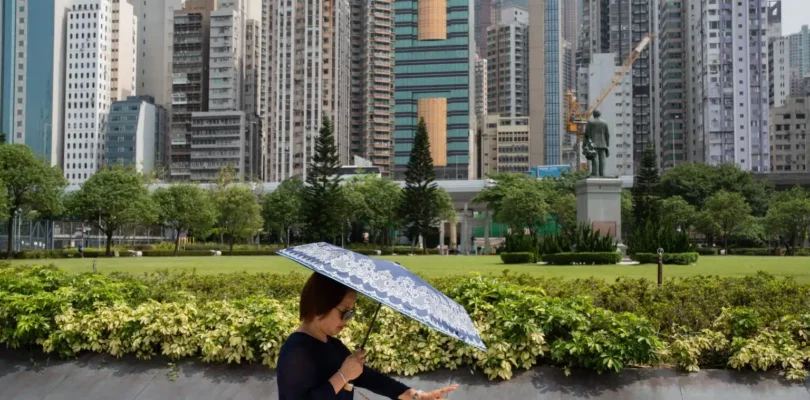
Extreme heat is no longer a rare summer inconvenience. It has become one of the most dangerous and rapidly growing consequences of climate change, affecting billions of people across the globe. Scientists consistently warn that as global temperatures continue to rise, heatwaves will become more frequent, more intense, and longer lasting. For cities, this creates a serious and complex challenge: how to protect populations that are increasingly exposed to conditions that can quickly become deadly.
Recent climate analyses suggest the scale of the problem is already enormous. Between May 2023 and May 2024, billions of people experienced at least one month of abnormally high temperatures, with human-driven climate change making such events significantly more likely. In urban areas especially, where concrete and infrastructure trap heat, the impact is amplified. Cities are effectively becoming heat traps, and the people living in them are on the front line.
A Growing Global Risk That Cities Can’t Ignore
Urban populations are particularly vulnerable to extreme heat. In densely built environments, natural cooling is limited, and temperatures can remain significantly higher than surrounding rural areas even at night. This phenomenon, known as the urban heat island effect, turns cities into zones of intensified heat stress.
Climate models project that by the end of the century, some cities could be several degrees warmer depending on emissions trajectories. Even modest increases in average temperature translate into far more frequent and severe heatwaves. For city administrations, this means heat is no longer just a seasonal risk—it is a structural and ongoing threat that affects health systems, infrastructure, productivity, and economic stability.
In response, many governments and organizations have begun investing in adaptation strategies. These include early warning systems, emergency response plans, cooling infrastructure, and long-term urban redesign. However, the effectiveness of these measures varies widely depending on preparedness, resources, and public awareness.
Early Warning Systems: A First Line of Defense, With Limits
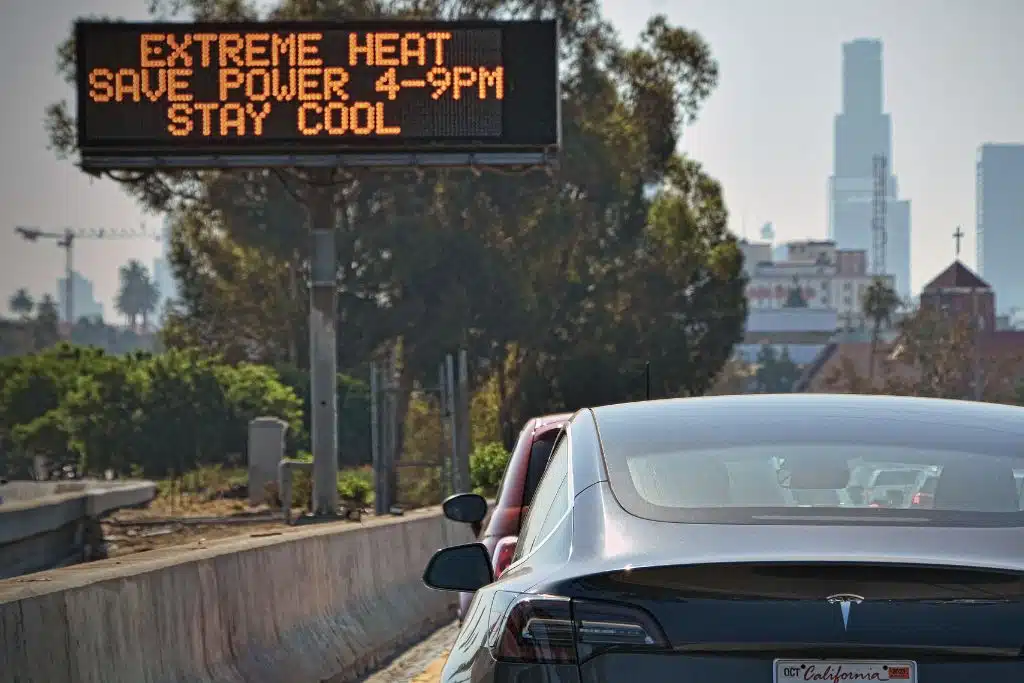
One of the most widely adopted tools for managing extreme heat is the heat warning system. These systems are designed to alert residents when temperatures are expected to reach dangerous levels and to provide guidance on how to reduce risk. In many cities, alerts trigger emergency protocols such as opening cooling centers, increasing healthcare readiness, and informing vulnerable populations.
These systems are now used in cities around the world, from North America to Asia. In theory, they should reduce fatalities by encouraging people to stay hydrated, avoid outdoor activity during peak heat, and seek cooler environments.
However, real-world experience shows that warning systems alone are not enough. In several past extreme heat events, including severe heatwaves in North America and Europe, mortality remained high despite alerts being issued. One of the key problems is communication. Vulnerable groups such as the elderly, low-income populations, and people without reliable access to digital information often do not receive or act on warnings in time.
Another issue is perception. In regions that historically experienced mild climates, extreme heat is often underestimated. People may not fully understand the severity of a heatwave or may not change behavior quickly enough to avoid risk. This gap between warning and action continues to be one of the biggest challenges in heat-risk management.
The Hidden Death Toll of Heatwaves
Extreme heat is often called a “silent killer” because its impact is frequently indirect and underreported. Death certificates rarely list heat as the primary cause of death. Instead, fatalities are attributed to heart failure, respiratory issues, or other medical conditions that are triggered or worsened by heat stress.
This makes the true scale of heat-related mortality difficult to measure. During major heat events, official death counts often underestimate the real impact. As heatwaves become more frequent, this hidden burden on public health systems is expected to grow significantly.
Medical experts emphasize that extreme heat affects the entire body, increasing strain on the cardiovascular system, worsening chronic conditions, and accelerating dehydration. In vulnerable individuals, even short exposure to high temperatures can be dangerous or fatal.
Should Heatwaves Be Named Like Hurricanes?
As extreme weather events become more visible and destructive, some experts have suggested that heatwaves should be named in the same way as hurricanes or storms. The idea is that assigning names could improve public awareness and encourage people to take warnings more seriously.
A small-scale experiment in Spain tested this concept by naming a heatwave “Zoe.” Research following the event suggested that a small but notable share of the population remembered the name and reported greater awareness of risks and safety behaviors. Some also expressed higher trust in government communication.
However, the idea remains controversial. Major meteorological organizations have not adopted naming systems for heatwaves, arguing that there is insufficient evidence that it improves outcomes and concerns that it could complicate existing warning systems.
Workers on the Front Line of Heat Exposure
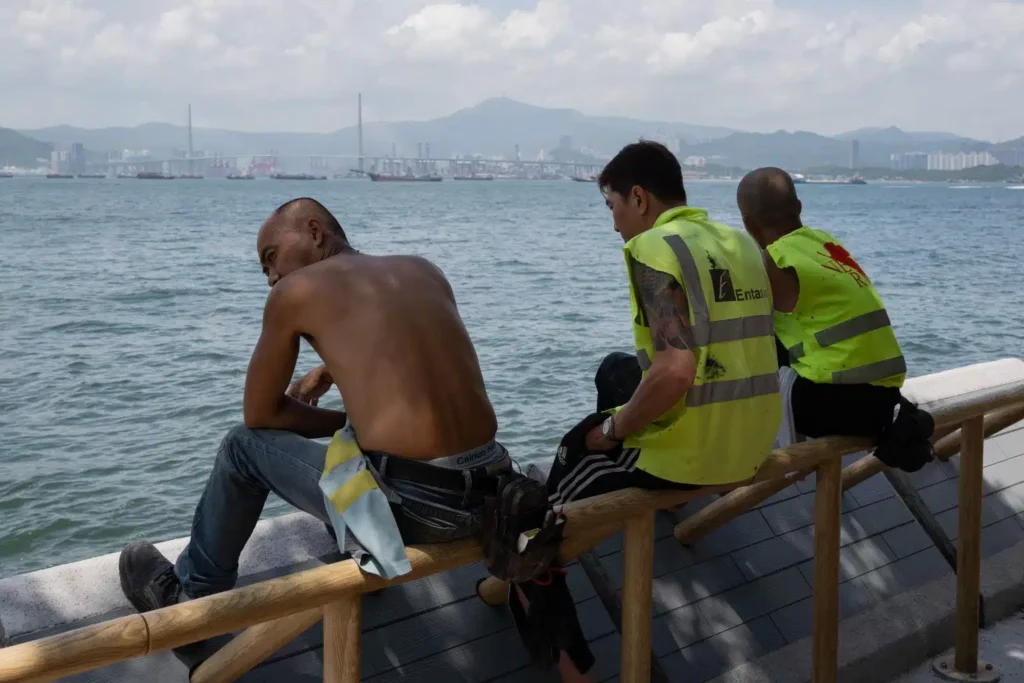
Among the most exposed groups in extreme heat conditions are outdoor workers. Construction workers, street cleaners, agricultural laborers, and delivery personnel often spend long hours in direct sunlight with limited protection.
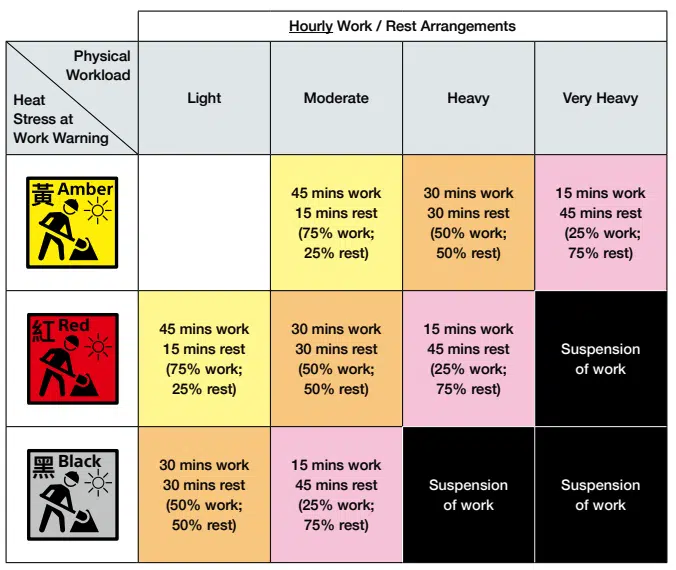
Many countries have introduced basic safety guidelines, such as increasing breaks, providing shade, encouraging hydration, and adjusting working hours during peak heat. Yet these measures are often inconsistent or poorly enforced.
In regions with high humidity and sustained heat, such as parts of Asia, workers report frequent symptoms of heat stress including dizziness, exhaustion, and dehydration. In some cases, heat warnings are issued repeatedly without sufficient change in working conditions, raising concerns that alert systems alone are not enough without stronger labor protections.
In some countries, labor unions and advocacy groups have begun pushing for legal maximum working temperatures. The argument is that if extreme cold is regulated in workplaces, extreme heat should be treated with similar seriousness. As heatwaves intensify, this debate is likely to grow.
Cities Are Being Forced to Redesign Themselves
Beyond emergency response, cities are increasingly being forced to rethink their physical design. Traditional urban development, dominated by concrete, asphalt, and high-density construction, tends to trap and amplify heat. Without intervention, these environments become progressively more dangerous as temperatures rise.
One of the most effective long-term solutions is increasing urban greenery. Trees, parks, and green roofs help reduce surface temperatures by providing shade and releasing moisture into the air. Cities that have invested heavily in green infrastructure have already seen measurable cooling effects.
Some urban areas have expanded tree planting programs on a massive scale, while others have introduced innovative solutions such as green roofs on public infrastructure. These measures not only reduce heat but also improve air quality and overall livability.
Another approach involves changing building materials and road surfaces. “Cool pavement” technologies, which reflect more sunlight than traditional asphalt, have been tested in several major cities. Early results show modest but meaningful reductions in surface and air temperatures during extreme heat events.
Cooling centers have also become a common emergency response strategy. These are public spaces such as libraries, community centers, or shelters where people can access air conditioning and water during heatwaves. While they can be lifesaving, their effectiveness depends heavily on accessibility. Many vulnerable individuals cannot reach them easily or are not aware of their existence.
Unequal Exposure and Unequal Protection
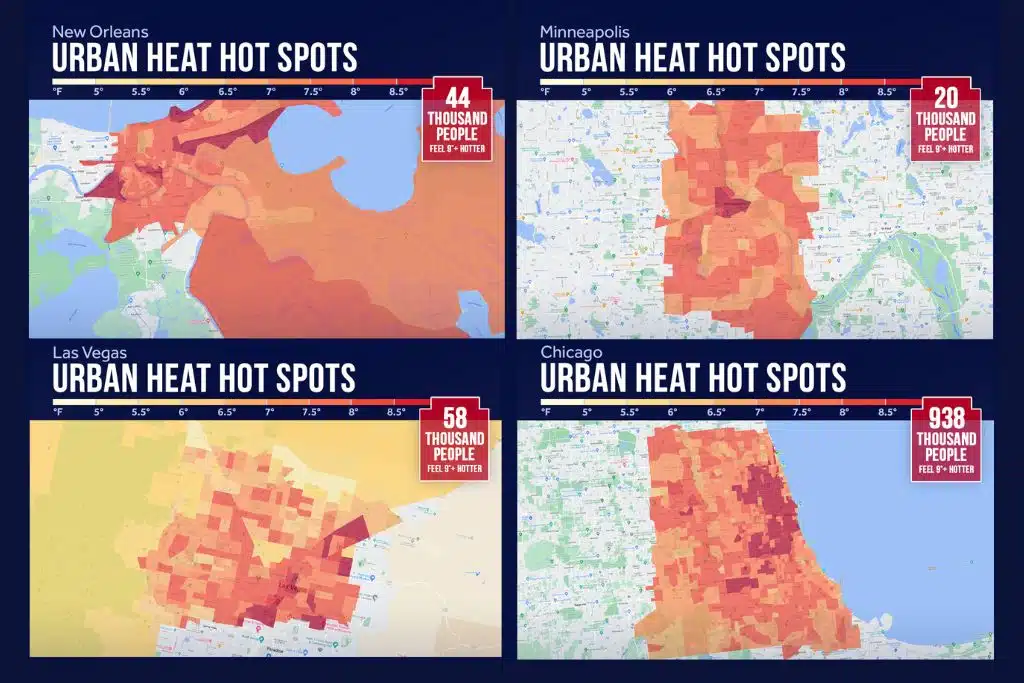
One of the most important realities of extreme heat is that its impact is not evenly distributed. Low-income communities, older adults, people with chronic illnesses, and those without access to air conditioning are disproportionately affected.
In addition, cities in lower-income countries face structural disadvantages, including weaker infrastructure, limited emergency services, and lower digital connectivity. This makes both warning systems and long-term adaptation more difficult to implement effectively.
Even in wealthier cities, inequality plays a major role. Neighborhoods with fewer trees and more dense infrastructure often experience significantly higher temperatures than greener, wealthier areas. This creates a situation where climate risk is closely tied to social and economic inequality.

No Single Solution: Cities Need a Combined Approach
There is no single strategy capable of solving the problem of urban heat. Instead, effective adaptation requires a combination of short-term emergency measures and long-term structural change.
Warning systems are essential for immediate protection, but they must be paired with education, infrastructure, and accessible support systems. Urban redesign can reduce baseline temperatures, but it takes time and investment. Workplace protections can save lives today, but require political will and enforcement.
The most successful cities are those that integrate multiple approaches: early warnings, public health planning, green infrastructure, and climate-aware urban design. By combining these strategies, cities can reduce immediate risks while also preparing for a hotter future.
As climate change continues to intensify, extreme heat will remain one of the defining challenges of urban life. The question is no longer whether cities will be affected, but how quickly they can adapt before the consequences become even more severe.