
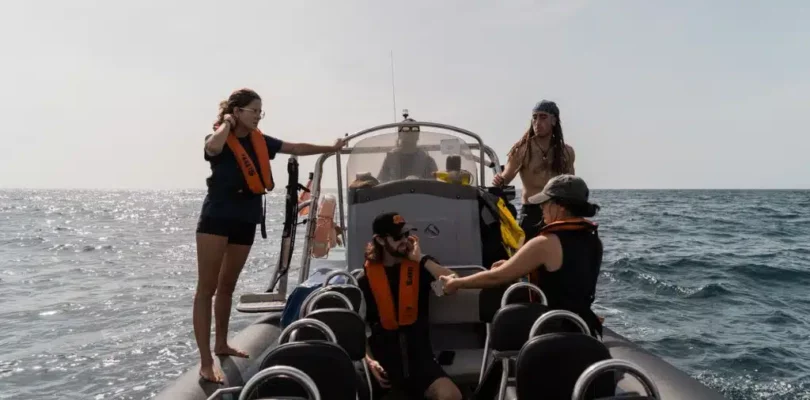
Travel is reaching a turning point
After years of global travel across vastly different environments—from coral reefs and tropical islands to mangrove forests and melting glaciers—a clear pattern emerges: the way humanity moves through the world is no longer sustainable in its current form.
Travel has always been associated with discovery, freedom, and personal transformation. But in its modern mass form, it has also become fast, extractive, and often disconnected from the places it touches. The scale of global tourism, combined with rising environmental pressure, is forcing a fundamental question: what does it actually mean to travel responsibly today?
A growing response to this question is the idea of conscious exploration—a shift in mindset that reframes travel not as consumption, but as participation in the wellbeing of the planet and its communities.
From movement to meaning: redefining what travel is for
Conscious exploration starts with a simple but uncomfortable challenge to traditional travel culture. Instead of asking “Where should I go next?”, it begins with more reflective questions: Why am I going there? What impact will my presence have? What can I contribute while I am there?
This approach shifts travel away from the idea of collecting experiences and toward something more relational. It treats each journey as an interaction with living ecosystems and human communities rather than a temporary escape from everyday life.
Under this model, travel becomes less about extraction—photos, memories, checklists—and more about contribution. It is a movement from passive observation to active engagement, where responsibility sits alongside curiosity.
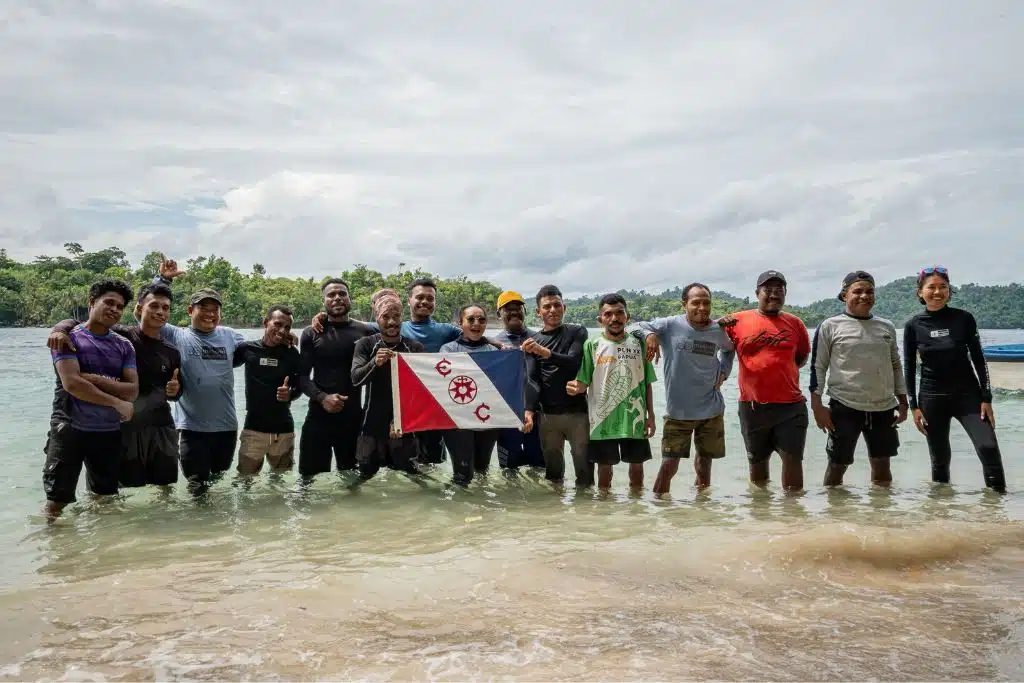
The cost of modern tourism
The urgency behind this shift is not abstract. The current global tourism system carries a significant environmental footprint. Estimates suggest that tourism contributes around 8% of global carbon dioxide emissions when direct and indirect impacts are combined.
Beyond emissions, the pressure on destinations is visible in many forms. Fragile ecosystems are degraded by overcrowding, cruise traffic, waste accumulation, and infrastructure expansion. Sensitive cultural sites lose meaning as they are repeatedly reproduced and consumed as background scenery for digital content. In many regions, rising visitor demand also pushes up local housing prices, gradually displacing the communities that once defined those places.
In this sense, tourism becomes less of a cultural exchange and more of a one-directional flow of consumption. Destinations are shaped to meet visitor expectations rather than local needs, and over time, this imbalance creates long-term strain on both environment and society.
As climate change accelerates, continuing this model without change is increasingly difficult to justify.
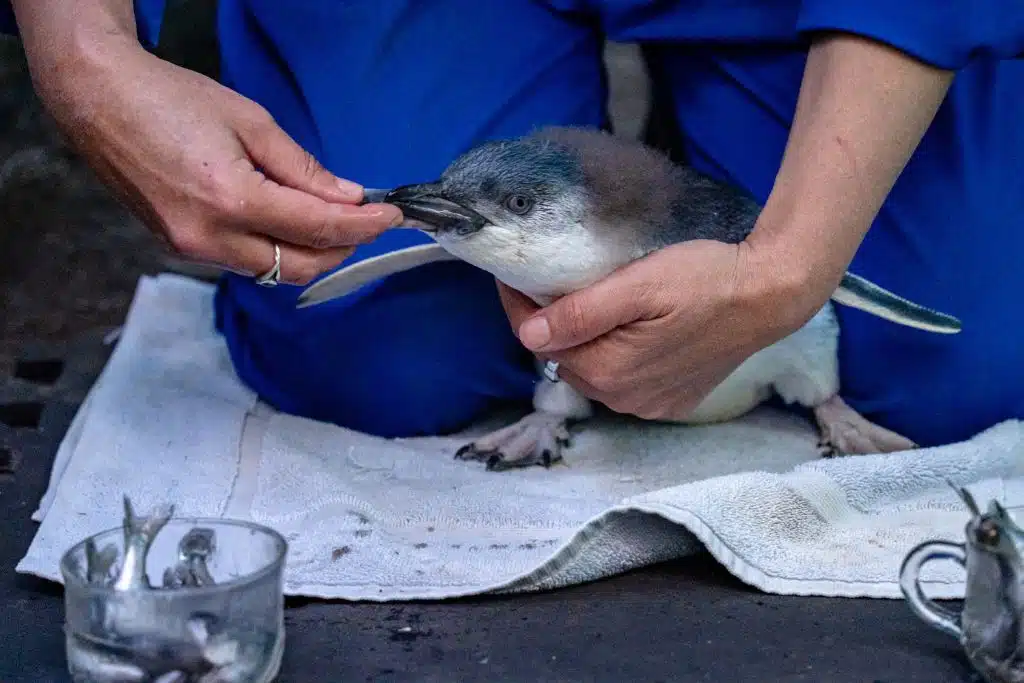
Tourism versus travel: a meaningful distinction
A useful way to understand the problem is to separate tourism from travel, even though the two are often used interchangeably.
Tourism, in its most common form, tends to be structured around consumption. It is fast, curated, and experience-driven. The goal is often to see as much as possible in a limited time, document it, and move on. It reinforces familiarity rather than transformation.
Travel, in a deeper sense, operates differently. It is slower, more intentional, and more open-ended. It requires presence rather than performance. Instead of confirming what someone already knows, it challenges assumptions and invites change.
This distinction also shifts the emotional outcome. Tourism often reinforces identity as it already exists. Conscious travel, on the other hand, has the potential to reshape it.

Responsibility begins before departure
Conscious exploration is not defined only by behavior during a trip. It begins long before departure, in the planning stage, where choices quietly shape impact.
It raises practical but important questions: Is the destination already under environmental pressure from tourism? Are there local operators who prioritize sustainability and fair labor practices? How can money be directed in ways that strengthen local economies rather than bypass them?
Even when intentions are good, long-distance travel carries unavoidable environmental costs. Aviation alone contributes a significant share of global emissions, making it one of the most carbon-intensive individual activities.
This reality does not make travel impossible, but it does make it accountable. Choices such as selecting direct routes when feasible can reduce emissions associated with takeoff and landing cycles. When flying is necessary, some travelers also turn to verified carbon offset programs that invest in environmental restoration or emissions reduction projects.
However, offsetting is not a complete solution. It is only one small layer in a broader responsibility framework.

The hidden impact of small decisions
Much of conscious travel happens in decisions that seem minor at first glance. What products are used during a trip, how waste is handled, and which services are supported all add up over time.
For example, selecting reef-safe sunscreen helps protect fragile marine ecosystems from chemical damage. Avoiding single-use plastics reduces pressure on waste systems in destinations that may lack recycling infrastructure. Choosing certified sustainable operators can help ensure that tourism revenue supports conservation rather than degradation.
These actions may appear small in isolation, but collectively they shape demand. Over time, demand influences supply, and supply determines what kind of travel industry develops.
Conscious travel, in this sense, is less about perfection and more about consistency in decision-making.
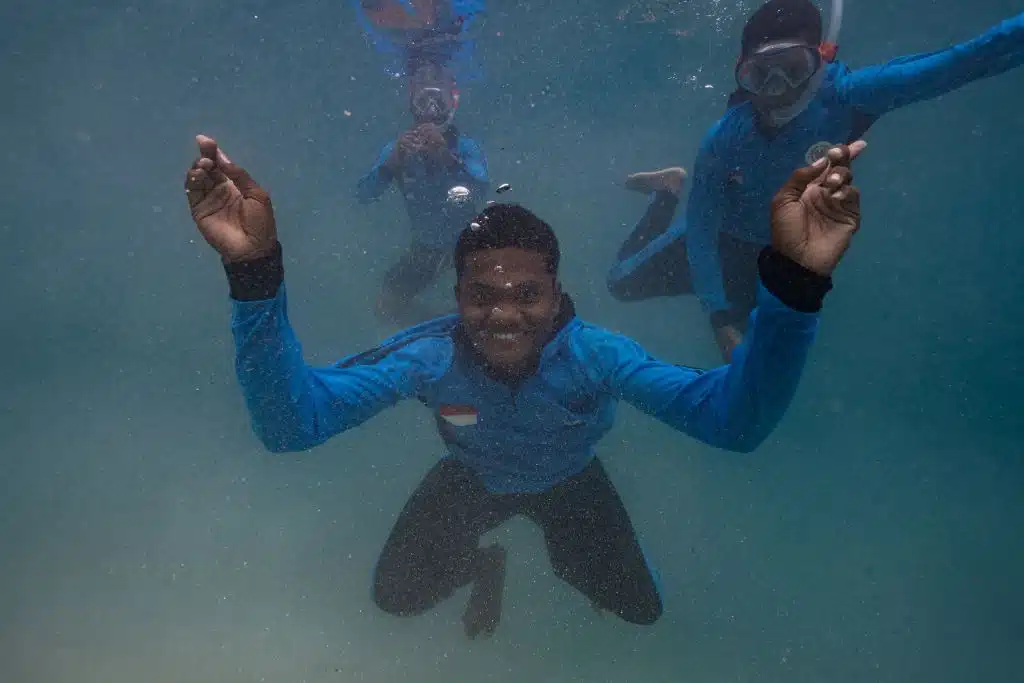
Supporting people, not just places
A core principle of conscious exploration is recognizing that destinations are not empty landscapes—they are lived-in spaces shaped by people with histories, economies, and cultural identities.
This raises another set of questions: Who benefits financially from tourism? Where does the money actually go? Are visitors contributing to local livelihoods or primarily external companies?
When travel is approached through a purely consumer mindset, local communities often become service providers for external enjoyment. When approached as exchange, however, travel becomes more balanced. It creates opportunities for mutual benefit rather than one-sided consumption.
In practice, this can mean choosing locally owned accommodation, engaging with community-led experiences, or contributing skills and time in ways that support environmental or social projects.

Encounters that reshape perspective
Some of the most lasting travel experiences are not defined by landscapes or landmarks, but by human connection. Conversations, shared meals, and moments of learning often leave a deeper imprint than any photograph or itinerary.
Across many regions, there are individuals who dedicate their lives to conservation, education, or community resilience, often with limited resources and significant personal sacrifice. Meeting these people changes the meaning of travel itself. It shifts attention from observation to participation.
In these interactions, travel becomes less about what is seen and more about what is understood.
Rethinking time off: gap years and sabbaticals
The idea of extended travel periods, such as gap years or professional sabbaticals, is also evolving. Traditionally, these breaks have been framed as opportunities for rest, escape, or personal exploration.
A more conscious approach reframes them as opportunities for contribution. Instead of focusing only on visiting places, travelers can engage with projects that support conservation, education, infrastructure, or community development.
Around the world, this shift is already visible. Engineers assist in environmental restoration projects, storytellers amplify local voices, and volunteers participate in reforestation and ecosystem recovery initiatives. These forms of engagement turn time away from routine into something that has lasting value beyond the individual experience.
Travel as relationship, not consumption
At its core, conscious exploration is about changing the relationship between traveler and destination. It encourages a shift from seeing places as products to be consumed toward understanding them as systems to be respected and supported.
This perspective naturally leads to more curiosity, slower movement, and deeper engagement. It also changes what is considered valuable. Instead of prioritizing how many places are visited, importance is placed on how meaningfully those places are experienced and how responsibly they are engaged with.
When travel is approached in this way, it becomes less extractive and more reciprocal.
An imperfect but necessary transition
Conscious travel is not a finished system or a strict set of rules. It is an evolving practice shaped by awareness, intention, and continuous adjustment. There is no perfect way to travel without impact, but there are better and worse ways to navigate that reality.
The key shift is willingness to care—to recognize that movement through the world carries consequences, and that those consequences matter.
This mindset does not eliminate travel. It transforms it.
The future of exploration
The next era of travel will not be defined only by destinations or technologies, but by ethics. As environmental limits become more visible and social inequalities more pronounced, the question is no longer whether travel will change, but how quickly it will adapt.
Conscious exploration offers one possible direction: a form of travel rooted in respect for ecosystems, responsibility toward communities, and awareness of individual impact.
If the future of travel is to remain viable at all, it will depend on this shift—from movement without reflection to exploration with purpose.