
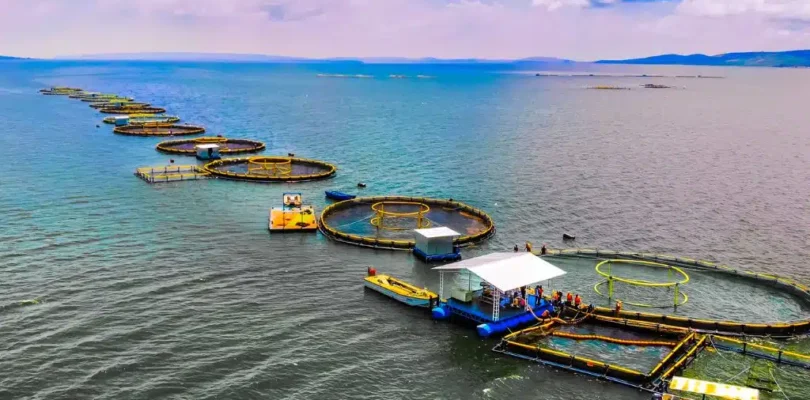
The ocean is often described as the planet’s life support system, yet in global finance it remains drastically undervalued. It regulates climate, produces oxygen, supports biodiversity, and sustains billions of livelihoods through fishing, tourism, and coastal industries. Despite this, the ocean receives only a fraction of the funding needed to ensure its long-term health.
As environmental pressures intensify and marine ecosystems degrade, a central question has emerged in global policy and investment circles: how can the world close the enormous financing gap for ocean sustainability? Increasingly, the answer points toward a growing but still underdeveloped field known as blue finance.
The Ocean Finance Gap: A System Underfunded and Overstretched
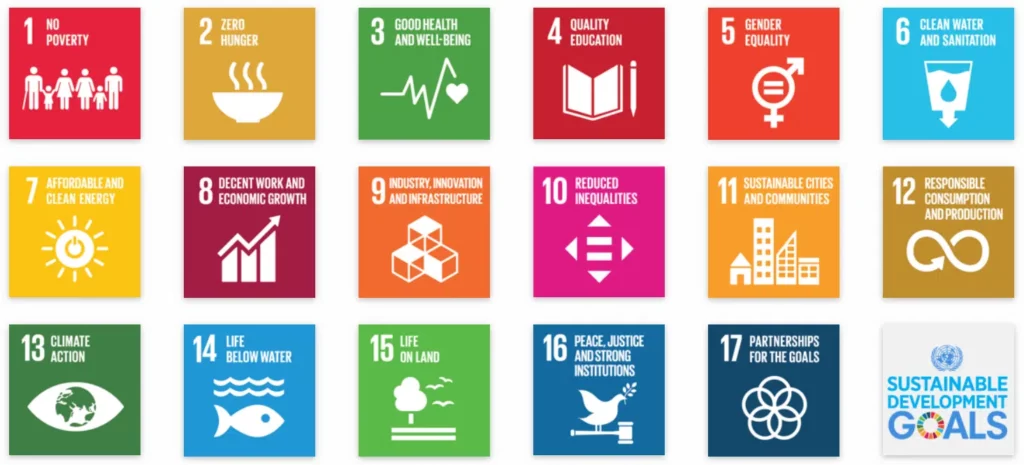
Although the ocean plays a foundational role in achieving global sustainability goals, it remains one of the most underfunded areas in international development. It is directly linked to multiple United Nations Sustainable Development Goals, including poverty reduction, food security, climate stability, and biodiversity protection.
However, SDG 14 — “Life Below Water” — consistently receives the least financial support among all the SDGs. Estimates suggest that achieving meaningful progress in ocean protection requires around $175 billion per year until 2030, yet actual investments have historically fallen far short of that target. Between 2015 and 2019, global ocean funding amounted to less than $10 billion annually, revealing a staggering mismatch between ambition and reality.
More recent projections indicate that restoring and maintaining a healthy ocean economy may require as much as $500 billion or more each year in the coming decades. This widening gap has pushed governments, financial institutions, and environmental organizations to explore new financing structures capable of scaling up investment.
Why Ocean Investment Lags Behind
Despite growing awareness of ocean degradation, funding for marine projects has consistently lagged behind other environmental sectors such as renewable energy or land-based conservation. Several structural barriers explain this imbalance.
One of the most significant challenges is the lack of standardized global frameworks for ocean-related investments. Without consistent definitions and reporting systems, it becomes difficult for investors to evaluate impact or compare projects. This opens the door to misleading claims, often referred to as “bluewashing,” where projects are labeled sustainable without delivering real environmental benefits.
Another major issue is the persistence of harmful financial incentives. Trillions of dollars globally continue to flow into activities that damage marine ecosystems, including overfishing, fossil fuel extraction, and pollution-intensive industries. These subsidies and investments often outweigh funding directed toward conservation and restoration.
A third barrier is the perception of low financial returns. Many ocean-related projects are small in scale, long-term in nature, and dependent on natural systems whose economic value is not always fully priced into markets. As a result, they are often seen as less attractive compared to conventional infrastructure or energy investments.
Together, these factors have created a cautious investment environment where ocean sustainability projects struggle to compete for capital.
The Economic Case for Investing in the Ocean
Despite these challenges, the economic rationale for investing in ocean health is becoming increasingly strong. Research in environmental economics suggests that every dollar invested in sustainable ocean solutions can generate multiple dollars in long-term benefits, including improved fisheries productivity, coastal protection, tourism revenue, and climate resilience.
Healthy oceans also play a crucial role in absorbing carbon dioxide and regulating global temperatures, making them a critical component of climate mitigation strategies. In this sense, ocean investment is not simply environmental philanthropy — it is also a form of climate risk management and long-term economic planning.
What Is Blue Finance?
To address the funding gap, a growing financial framework known as blue finance has emerged. Blue finance refers to investments and financial instruments specifically designed to support the sustainable use, protection, and restoration of ocean and marine ecosystems.
This includes a wide range of activities such as sustainable fisheries management, coastal ecosystem restoration, marine pollution reduction, and climate-resilient coastal infrastructure.
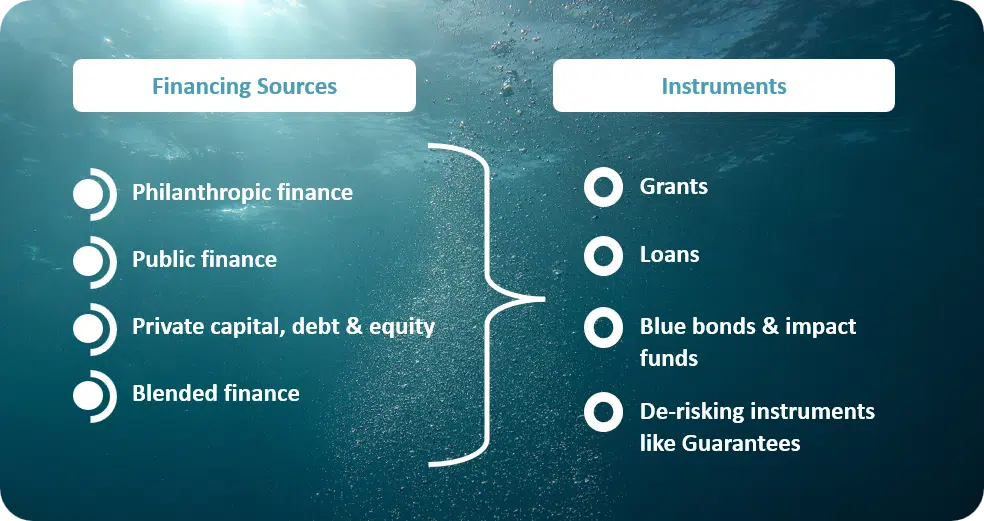
Blue finance draws capital from multiple sources, including public funding, private investment, philanthropic organizations, and blended finance structures that combine these different streams to reduce risk and increase scalability.
Within this system, several financial tools have become particularly important, especially blue bonds and blue loans.
Blue Bonds and Innovative Financial Instruments
Blue bonds are fixed-income instruments similar to green bonds, but specifically focused on ocean-related projects. They are designed to raise capital from investors and direct it toward marine conservation and sustainable ocean development.
One of the earliest and most notable examples was the sovereign blue bond issued by the Republic of Seychelles in 2018. Supported by international financial institutions, this initiative helped fund marine protected areas and improved ocean governance while demonstrating the viability of ocean-focused sovereign debt instruments.
Since then, interest in blue bonds has grown steadily. Governments and corporations are increasingly exploring these mechanisms as part of broader sustainability strategies. Emerging markets, particularly in regions such as Latin America and parts of Asia, are expected to play a significant role in the expansion of blue finance in the coming years.
To support this growth, international financial organizations have begun developing voluntary guidelines for ocean-related investments. These frameworks aim to improve transparency, reduce the risk of greenwashing, and provide clearer criteria for what qualifies as sustainable ocean finance.
However, the absence of a universally accepted global taxonomy remains a major limitation. Without standardized rules, scaling blue finance to its full potential remains difficult.
The Role of the Private Sector in Ocean Sustainability
While governments and multilateral institutions play a key role in ocean financing, the private sector is becoming increasingly important. Companies are under growing pressure to disclose environmental impacts and integrate sustainability into their business models, driven by ESG reporting requirements and investor expectations.
Despite this momentum, private capital alone is often insufficient to bridge the ocean finance gap. This is where blended finance becomes essential.
Blended finance structures combine concessional funding — such as grants or low-interest loans — with commercial investment. This approach helps reduce risk for private investors while enabling projects that would otherwise be considered too uncertain or unprofitable.
Philanthropic organizations and development banks often play a catalytic role in this system. By absorbing early-stage risks, they help demonstrate project viability, making it easier to attract larger-scale private investment later.
Examples of such projects include coastal ecosystem restoration, mangrove protection, microinsurance programs for small-scale fishers, and carbon credit systems linked to marine ecosystems. These initiatives often have high social and environmental value, even if they do not fit traditional investment models.
Structural Challenges and Global Uncertainty
Despite progress, ocean finance still faces significant headwinds. Global economic instability, geopolitical tensions, and competing investment priorities make it harder to secure long-term commitments to ocean sustainability.
In addition, many ocean projects require long time horizons before generating measurable returns, which can deter short-term-focused investors. This creates a mismatch between financial markets and environmental timelines.
Nevertheless, these challenges also highlight the importance of building stronger global systems for sustainable finance. Without coordinated standards and stable funding mechanisms, the ocean economy risks continued underinvestment at a time when ecological stress is accelerating.
Building a Resilient Ocean Economy for the Future
The future of ocean finance will likely depend on a combination of innovation, regulation, and international cooperation. Stronger global frameworks are needed to define what qualifies as sustainable investment in marine environments. At the same time, new financial instruments must be developed to attract both public and private capital at scale.
Equally important is the integration of ocean health into broader economic planning. Rather than treating marine ecosystems as separate environmental concerns, they must be recognized as foundational infrastructure for global stability.
Investing in the ocean is not only about protecting biodiversity or preserving natural beauty. It is about securing food systems, stabilizing climate patterns, protecting coastal cities, and supporting billions of livelihoods.
Conclusion: From Funding Gap to Financial Transformation
The current underfunding of ocean systems represents one of the most significant gaps in global sustainability finance. However, it also presents an opportunity — to redesign how the world values and finances natural ecosystems.
Blue finance is still evolving, but it represents a shift in thinking: from viewing the ocean as an external resource to recognizing it as an essential economic foundation. Closing the ocean finance gap will require coordinated action from governments, investors, and civil society, as well as new financial tools capable of matching the scale of the challenge.
Ultimately, funding a sustainable ocean economy is not just a technical or financial issue. It is a fundamental question about how the global economy chooses to value the systems that make life on Earth possible.